TL;DR
No liver supplement in Singapore is allowed to claim it treats or prevents liver disease, and human evidence for milk thistle, curcumin and Antrodia is still limited or mixed.
If you choose one, read the label, watch for warning signs such as dark urine or yellowing skin, and speak to your doctor first if you take medication or have a liver condition.
Liver health is a real concern here. Up to 40% of Singaporean adults have fatty liver disease, compared with about 27% globally, according to a Duke-NUS and Singapore General Hospital study reported by HealthXchange. So it is no surprise that every pharmacy aisle now carries a liver supplement Singapore shoppers can pick up next to the vitamin C. We make one ourselves, which is why we want you to know what the research does and does not show, safety included.
What Can a Liver Supplement in Singapore Legally Claim?
Only general “support” claims. The Health Sciences Authority (HSA) does not pre-approve health supplements, and its claims guidance lists hepatitis, liver cirrhosis and fatty liver among the disease claims a supplement must not make.
In practice, “supports normal liver function” is acceptable wording, while “reverses fatty liver” or “cures hepatitis” is not. HSA also expects dealers to ensure their products are safe and labelled truthfully, so a pack promising to treat a liver condition is a red flag.
Does Milk Thistle Work for the Liver?
The evidence is unclear. According to the US National Center for Complementary and Integrative Health (NCCIH, 2025), clinical trials of milk thistle for liver conditions have been conflicting or too limited to draw conclusions, and NCCIH-funded studies of silymarin, its main extract, found no benefit in hepatitis C or a progressive form of fatty liver disease.
Milk thistle appears to be well tolerated, with bloating, nausea and gas the most common side effects. People allergic to ragweed or daisies may react to it, and some products have contained silymarin amounts that differ from their labels, so look for a stated silymarin amount and a reputable importer.
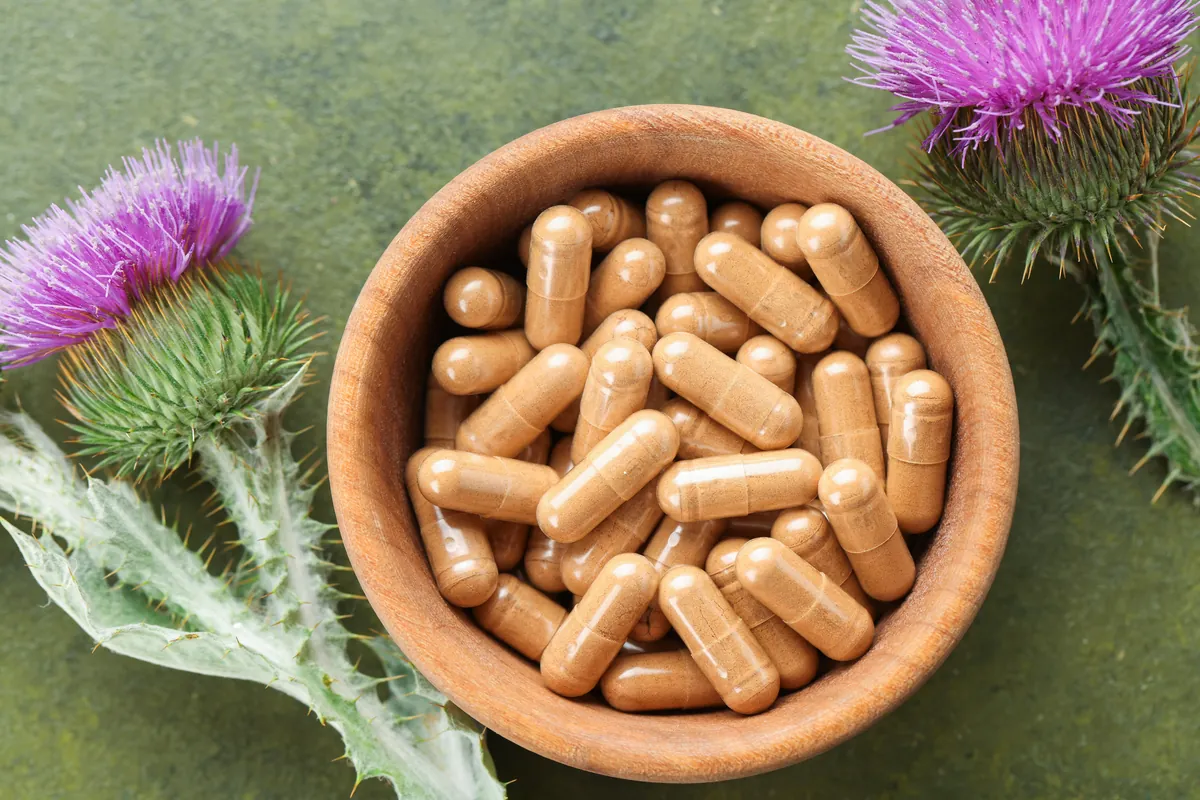
What Are the Turmeric Benefits, and Is Curcumin Safe for the Liver?
Research on turmeric benefits is still early. NCCIH says there is not enough evidence to definitively conclude whether turmeric or curcumin is beneficial for any health purpose, although early studies suggest it may improve some fatty liver measures.
The liver safety reports you should know about
Here is the part many sellers skip. The US Drug-Induced Liver Injury Network identified 10 cases of liver injury associated with turmeric supplements; five people were hospitalised and one died of acute liver failure (Halegoua-DeMarzio et al., The American Journal of Medicine, 2023). Seven of the 10 carried a gene variant called HLA-B*35:01, and three of the tested products also contained piperine from black pepper. NCCIH adds that curcumin products designed for higher absorption may harm the liver in some people.
“In biology, the correct dose is the correct dose.”
– Dr Jay Hoofnagle, Director, Liver Disease Research Branch, NIDDK (Medical News Today, 2024)
These cases are rare, but they matter. When you compare a curcumin supplement Singapore pharmacies sell, check whether it contains piperine or another absorption enhancer, follow the label dose, and stop and see a doctor if you notice fatigue, nausea, poor appetite, dark urine or yellowing of the skin or eyes. Our earlier article on curcumin with piperine explains why the two are paired.
What Is Antrodia and What Does the Evidence Say?
Antrodia cinnamomea is a medicinal mushroom native to Taiwan, traditionally used there for general wellbeing. Most liver research on it has been done in cells and animals, so human evidence is still limited.
One small open-label pilot study gave 32 healthy adults Antrodia mycelium capsules for three months and found no significant changes in liver enzymes or bilirubin; the authors note that clinical data are limited (Chen and Chang, eCAM, 2020). Much of the interest in Antrodia, artichoke and wolfberry comes from their antioxidant benefits seen in laboratory studies, which have not yet been confirmed in large human trials.
How Do You Compare Liver Supplement Labels?
Look at what each ingredient is, how much of it you get per serving, and what the warnings say.
| Ingredient | What to check on the label | Evidence and safety notes |
|---|---|---|
| Milk thistle | Silymarin amount in mg | Trials conflicting; usually well tolerated |
| Turmeric or curcumin | Extract amount, curcumin content, absorption enhancers | Early research; rare liver injury reports |
| Piperine (black pepper) | Amount in mg | Raises absorption, which can also raise exposure |
| Antrodia cinnamomea | Mycelium or fruiting body, amount in mg | Mostly cell and animal studies |
| Any liver product | Importer, batch, expiry, warnings | Required on Singapore labels |
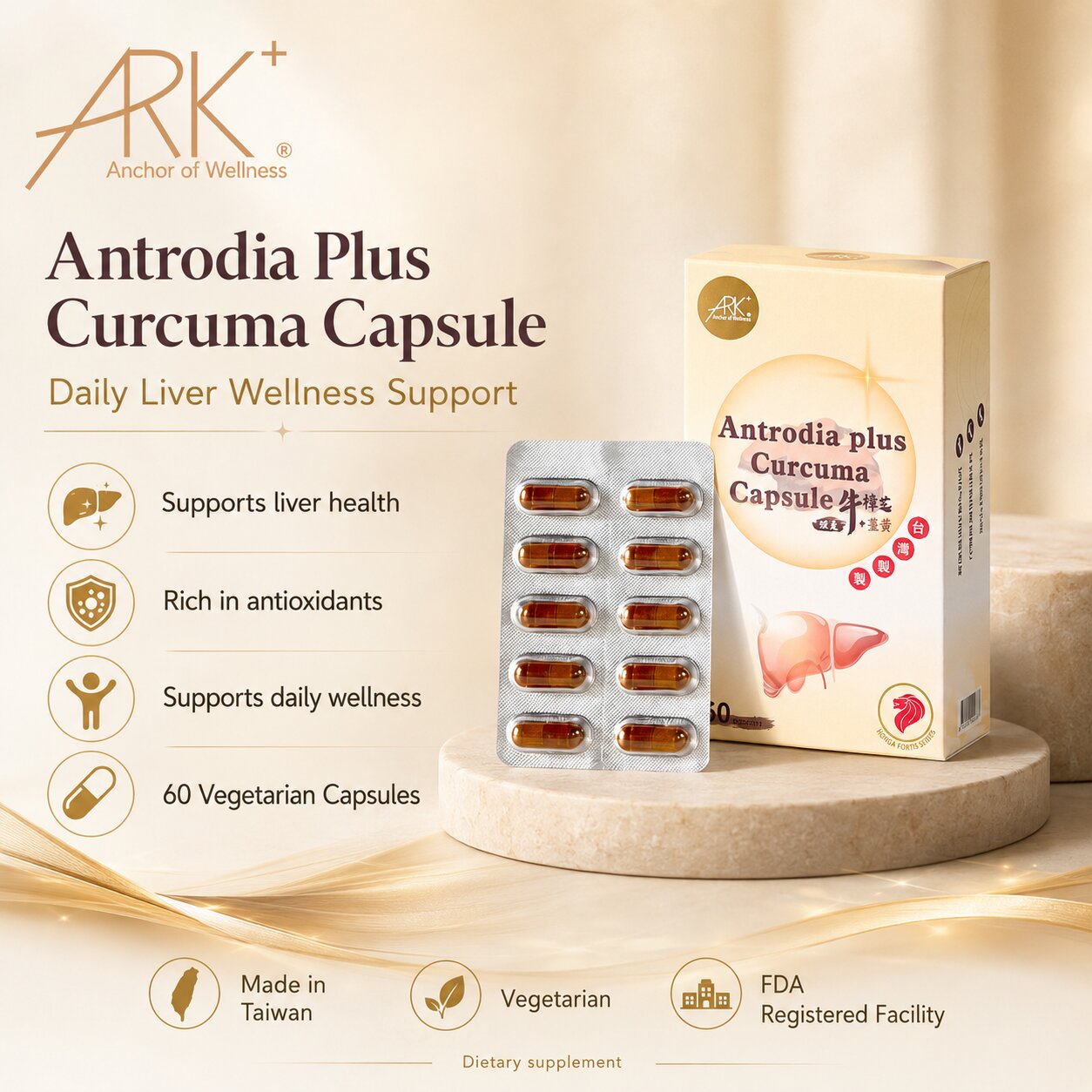
As an example of a full label, ARK+ Antrodia Plus Curcuma lists, per two-capsule serving, 500 mg Antrodia cinnamomea mycelium powder, 150 mg artichoke extract, 150 mg Curcuma longa (turmeric) extract, 95 mg chamomile extract, 50 mg wolfberry extract, 50 mg algae extract and 5 mg piperine. It is positioned to support normal liver health and offer antioxidant benefits, not to treat any disease. Because it contains turmeric with piperine, the safety notes above apply to it too: follow the label, and check with your doctor first if you take medication, are preparing for surgery or have a liver condition.
Who Should Avoid Liver Supplements or Check With a Doctor First?
Speak to your doctor or pharmacist before taking any liver supplement if you have hepatitis, fatty liver or another liver condition, take regular medication, are pregnant or breastfeeding, or have surgery coming up. NCCIH notes that turmeric supplements may be unsafe in pregnancy.

A supplement never replaces a liver check. If you are worried about fatty liver, ask your GP or polyclinic about a blood test and ultrasound.

So, Should You Take a Liver Supplement?
For most people, the habits that matter most for the liver are a healthy weight, less alcohol and sugary drinks, regular exercise and plenty of vegetables, fruit and whole grains. A liver supplement Singapore families choose can be one small, optional part of that routine, chosen carefully and with your doctor’s input. For food ideas, see fruits for a healthy liver and our ARK+ Healthy Kitchen recipes, or contact our team with any questions.
Frequently Asked Questions
Is milk thistle safe to take every day?
Milk thistle appears to be well tolerated, but talk to your doctor if you take medication or have allergies to daisy-family plants.
Can turmeric damage the liver?
Rarely, yes. Liver injury has been reported with turmeric supplements, especially high-absorption products.
What should I check before buying a curcumin supplement Singapore stores sell?
The extract amount, any piperine, the importer and the warnings, and follow the label dose.
Does HSA approve liver supplements?
No. HSA does not pre-approve health supplements, and they must not claim to treat or prevent liver disease.
Can a liver supplement reverse fatty liver?
No supplement may make that claim in Singapore. Weight, diet and exercise changes guided by your doctor matter most.