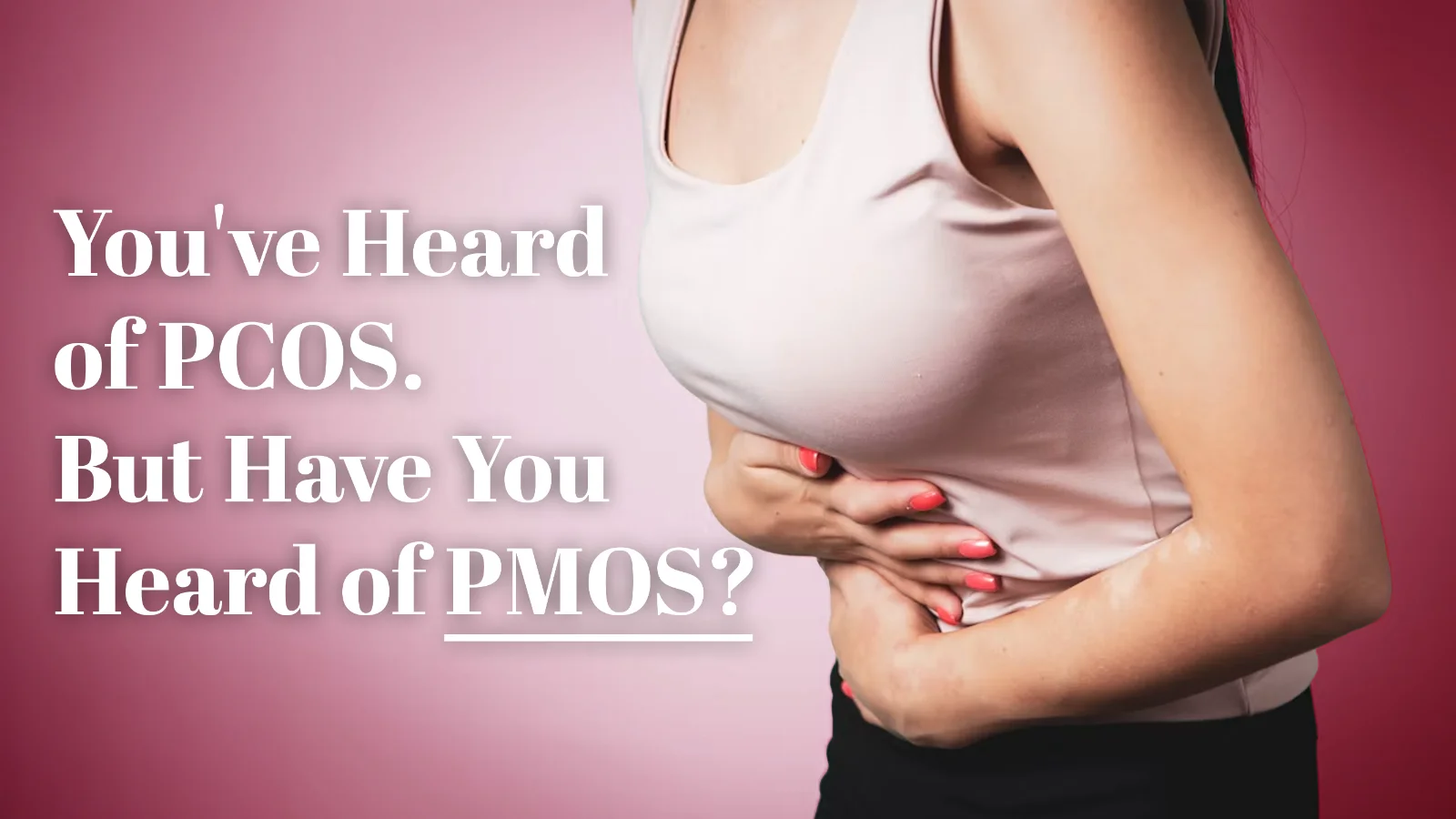
PCOS has a new name in 2026. Here's what women should know about PMOS, the signs that are easy to overlook, and why it's about much more than your period.
Irregular periods. Acne that keeps coming back. Unwanted facial or body hair. Hair thinning. Changes in weight. Difficulty getting pregnant.
These experiences can have many different causes. But when they persist or appear together, they can sometimes be signs of a hormonal condition affecting millions of women worldwide.
You probably know it as PCOS, or Polycystic Ovary Syndrome. In May 2026, it was officially renamed PMOS, or Polyendocrine Metabolic Ovarian Syndrome. It is not a new condition. The new name was introduced to better reflect how complex the condition actually is.
Considering how common PMOS is, and how many women may not know they have it, it is something more of us should understand.
1. Just How Common Is PMOS?
More common than you might think. The World Health Organization estimates that PCOS, now PMOS, affects around 10% to 13% of women of reproductive age. Monash University describes this as approximately 1 in 8 women, or more than 170 million women worldwide.
Perhaps more surprising, WHO estimates that up to 70% of affected women worldwide may not know they have the condition. Part of the reason is that PMOS does not look the same for every woman. Symptoms vary and can change over time, which makes individual signs easy to dismiss.
2. Why Did PCOS Become PMOS?
The old name focused on ovarian "cysts", which never fully described the condition. PMOS can involve multiple hormonal systems, metabolism and reproductive health, so the new name gives a broader and more accurate picture.
The change did not happen overnight. It followed a global consensus process that ran for more than a decade, gathering input from around 22,000 people and more than 50 patient and professional organisations. The new name was published in The Lancet in May 2026.
Advocates say the old name played a part in missed diagnoses and incomplete care, because it pointed attention towards the ovaries while the hormonal, metabolic and emotional sides of the condition were often overlooked. During the transition, you may see both PCOS and PMOS used for the same condition.

3. What Does PMOS Actually Look Like?
This is where it gets tricky. One woman may first notice irregular periods. Another may struggle with persistent acne or excess facial hair. Someone else may only find out when she has difficulty becoming pregnant. Possible signs include:
- Irregular, unpredictable or absent periods
- Heavy or long periods for some women
- Persistent or severe acne
- Excess facial or body hair
- Hair thinning
- Difficulty conceiving
- Weight gain or difficulty losing weight
- Insulin resistance
Having one or more of these signs does not automatically mean you have PMOS. If symptoms persist, change or appear together, it is worth discussing them with a healthcare professional.
4. Does the New Name Change the Diagnosis?
No. The name has changed, but the way the condition is diagnosed has not. A diagnosis generally involves at least two of the following three features, once other possible causes have been ruled out:
- Signs of higher androgen levels, either visible (such as excess hair growth or acne) or shown in a blood test
- Irregular or absent ovulation, often seen as irregular periods
- A polycystic appearance of the ovaries on an ultrasound scan
The term used to describe how the ovaries look on a scan stays the same. What changes is how the condition as a whole is understood and talked about.
It's Not Only About Periods and Fertility
PMOS can also involve metabolic health. Women with the condition may have a higher risk of insulin resistance and type 2 diabetes, which is one reason it is now understood as more than a reproductive health condition.
It Doesn't End After Your Reproductive Years
PMOS is often talked about in the context of periods and pregnancy, but the World Health Organization describes it as a chronic metabolic condition that continues beyond the reproductive years. That is another reason awareness matters at every age, not only for women trying to conceive.
Your Mental Wellbeing Matters Too
Anxiety and depression are more common among women with PMOS. Symptoms such as acne, unwanted hair growth, weight changes and fertility difficulties can also affect confidence, body image and quality of life.
These feelings are valid and worth raising with a healthcare professional, just like any physical symptom. Looking after your mental wellbeing is part of looking after PMOS, not something separate from it.
What About Sleep?
Sleep is another overlooked part of PMOS. Poor sleep quality, insomnia and daytime sleepiness may be more common, and the condition is associated with an increased risk of obstructive sleep apnoea.
Supporting Your Wellbeing
There is no single approach that works for everyone. Balanced nutrition, regular movement, enough sleep, stress management and the right professional support can all be part of looking after yourself.
Keeping Track Can Help
If something feels off, simple notes can make a conversation with a healthcare professional much easier. It can help to keep track of:
- The start and end dates of your periods, and how regular they are
- Changes in your skin, hair or weight over time
- Your mood, energy levels and sleep
- Any questions you want to ask, written down before your appointment
You don't need to have answers. Bringing clear notes simply gives your doctor a fuller picture to work with.
"I Recognise Some of These Signs. Do I Have PMOS?"
Not necessarily. PMOS cannot be diagnosed from a list of symptoms. If you notice persistent changes in your cycle, skin, hair, weight, fertility or general wellbeing, speak to a healthcare professional who can assess you properly and rule out other causes.
Why the Conversation Matters
September marked PCOS Awareness Month, and 2026 brought something new to the conversation. Some women are hearing the term PMOS for the first time, while others have known the condition as PCOS for years. Either way, the message stays the same:
PMOS is more than periods. More than fertility. And more than the ovaries.
With around 1 in 8 women affected, greater awareness helps more women recognise the signs, ask questions and know when something is worth checking. If this helped you understand something new, share it with a woman in your life.