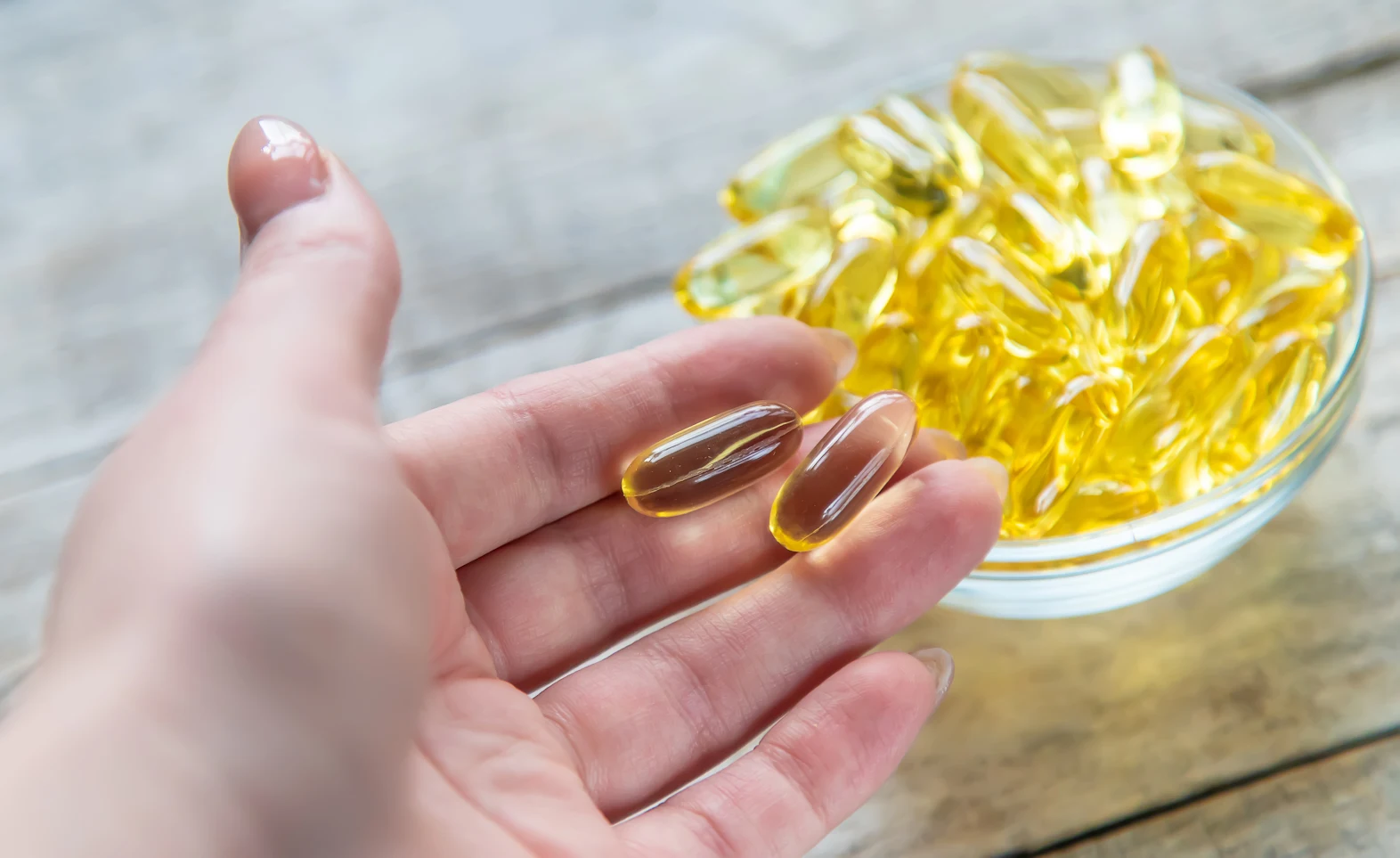
Omega-3 comes in three main forms: ALA from plants like sacha inchi oil, and EPA and DHA from fish and algae. Your body converts only a small share of ALA into EPA and DHA. When choosing an omega 3 supplement in Singapore, check which type it contains, how much, and how fresh the oil is.
Walk down any Pharmacy aisles and the labels compete for attention: "1000 mg fish oil", "omega 3 6 9", "plant based omega 3". Choosing an omega 3 supplement in Singapore gets much easier once you know what those terms actually mean. This guide explains the three types of omega-3, how your body uses each one, and how to tell a fresh oil from a tired one.
What Is the Difference Between ALA, EPA and DHA?
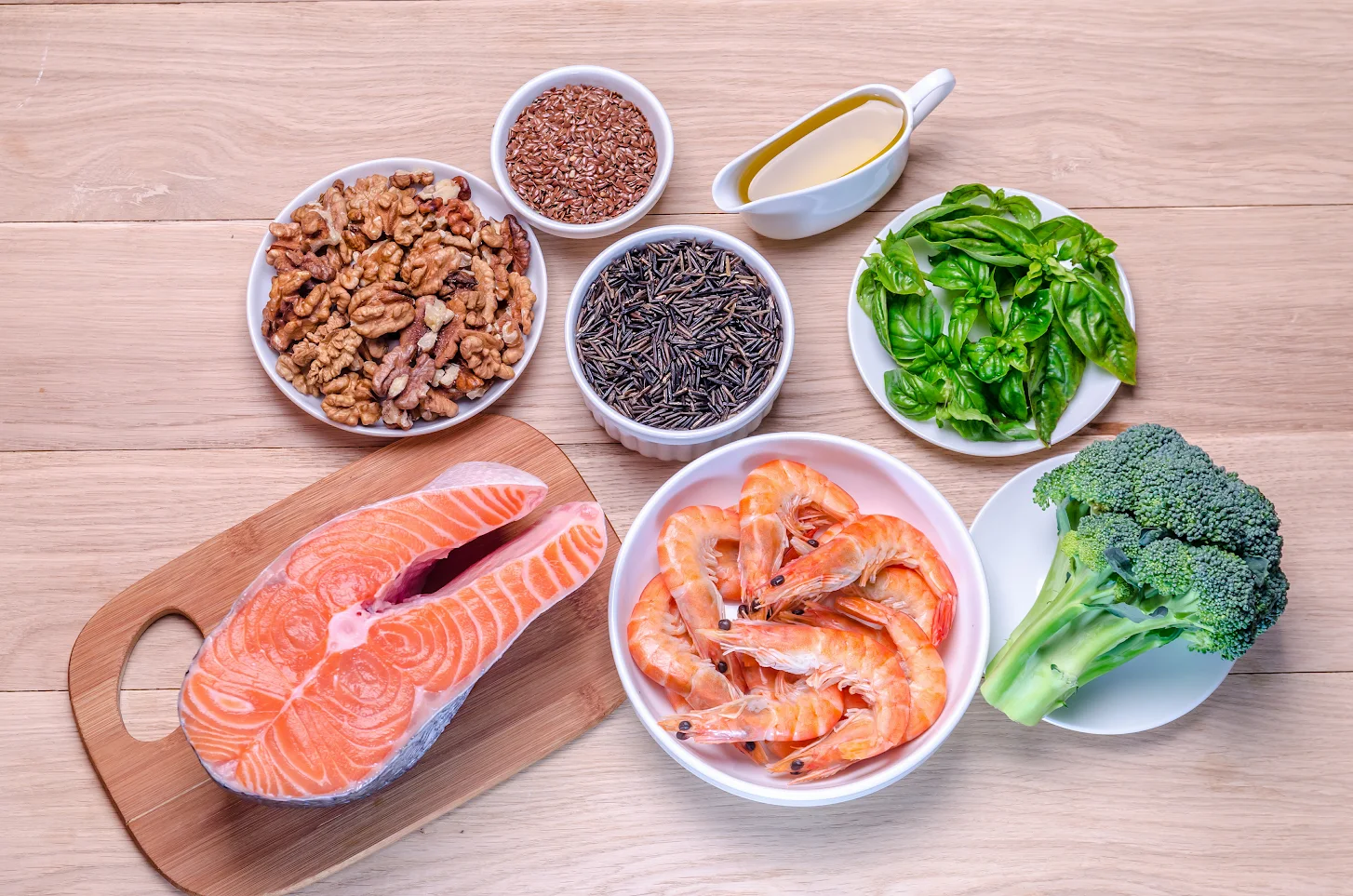
Omega-3s are a family of healthy fats, and the three you will see most often on labels are ALA, EPA and DHA. ALA is the plant form and the only one your body cannot make on its own, which is why it is called essential. EPA and DHA are longer "chain" versions found mainly in oily fish and algae.
| Type | Main sources | Role in the body |
|---|---|---|
| ALA | Sacha inchi, flaxseed, chia, walnuts | Essential omega-3, energy and building block |
| EPA | Salmon, sardines, algae oil | Helps the body regulate its balance messengers |
| DHA | Salmon, sardines, algae oil | Structural fat in the brain and eyes |
How Much ALA Does Your Body Turn Into EPA and DHA?
Less than most people expect. A scientific review estimated conversion at around 6% for EPA and 3.8% for DHA, and a diet high in omega-6 reduced it by a further 40 to 50%. (Gerster, PubMed)
That does not make ALA less valuable. It is a nutrient in its own right, and a steady daily source matters. But it is not a one-for-one swap for fish oil. Pregnant women, and anyone whose doctor has advised EPA and DHA specifically, may still want a preformed source such as oily fish or algae oil alongside their plant based omega 3.
What Does "Omega 3 6 9" on a Label Actually Mean?
Omega-6 and omega-9 are not bad fats, but most diets already have plenty. Your body can even make omega-9 itself. What matters is balance, and the same review suggests keeping the omega-6 to omega-3 ratio at no more than 4 to 6.
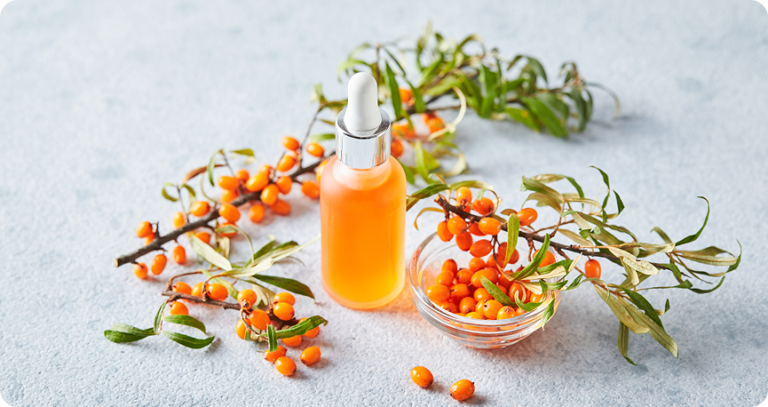
In Singapore, that balance tips easily. Deep-fried hawker favourites and packaged snacks are often cooked in omega-6-rich vegetable oils. So an omega 3 6 9 capsule is only useful if omega-3 makes up the largest share. Check the breakdown on the label, not just the headline. Some oils go further still, like sea buckthorn oil, which carries the rarer omega-7.
Is Sacha Inchi Oil a Good Plant Based Omega 3?
It is one of the richest. Sacha inchi oil contains roughly 50% ALA, putting it on par with flaxseed oil. It is also naturally high in tocopherols, a form of vitamin E, at about 176 to 226 mg per 100 g. (Sacha inchi oil profile). Those antioxidant benefits help protect the delicate oil itself from going rancid, and they add to your daily vitamin E intake.
It suits vegetarians, people who dislike fishy burps, and anyone building a plant-first routine. For a fully plant-based option, ARK+ Vegan Sacha Inchi Oil Capsules use cold-pressed oil in a non-gelatin shell.
"Sacha Inchi has a 3,000-year history."
— Rachael, Founder of ARK+, speaking to Singapore Women's Weekly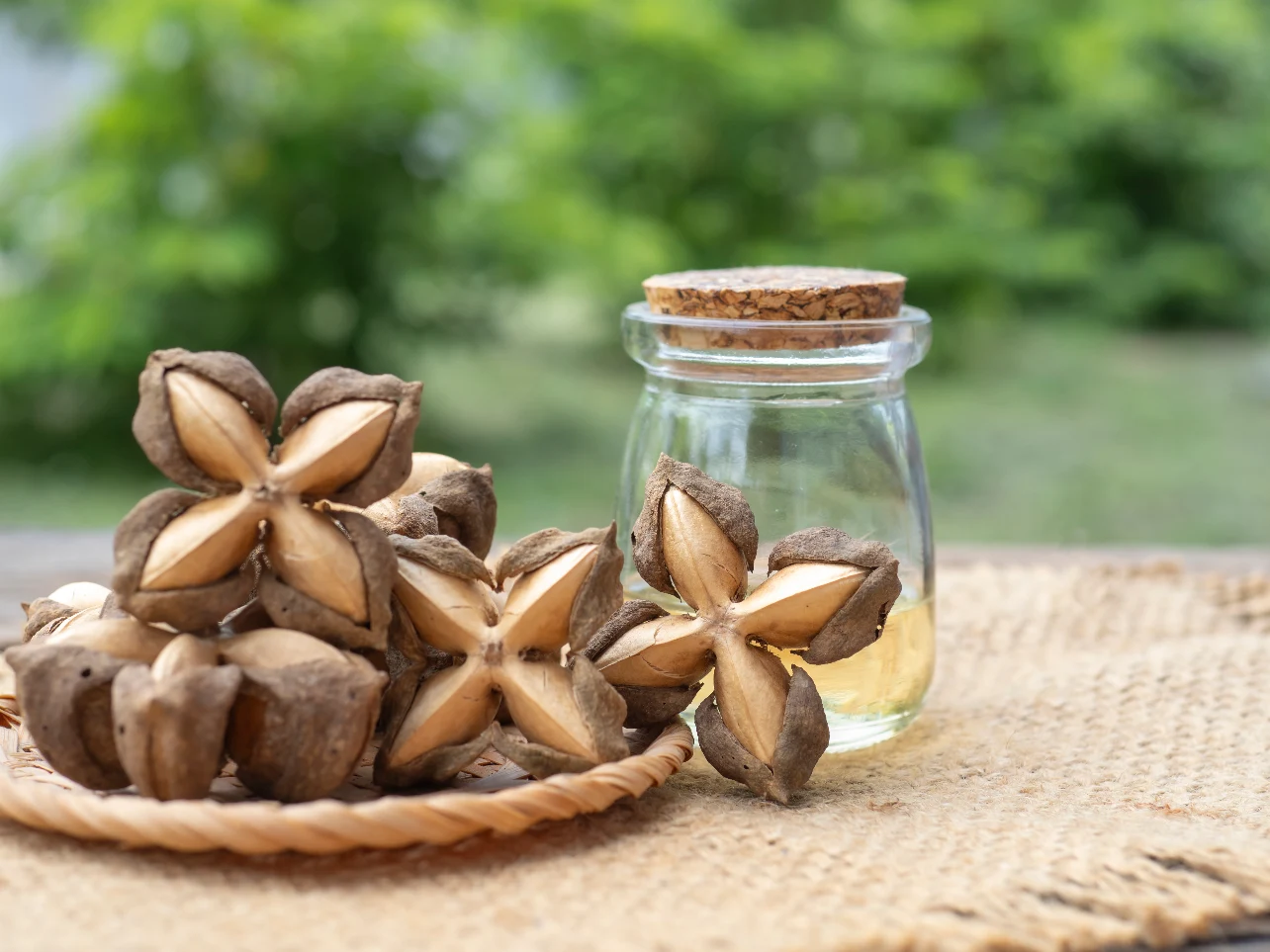
How Can You Tell if an Omega 3 Supplement Is Fresh?
Omega-3 fats are fragile and oxidise with heat, light and air. Three lab terms measure this:
| Term | What it measures | Voluntary limit (GOED) |
|---|---|---|
| PV (peroxide value) | Early spoilage | 5 |
| AV (anisidine value) | Later spoilage | 20 |
| TOTOX | Combined score | 26 |
The Global Organization for EPA and DHA Omega-3s sets these as maximum recommended limits. Not every product meets them: in a Canadian study of 171 fish oil supplements, half exceeded voluntary limits on at least one oxidation measure. (Journal of Nutritional Science)
Singapore's heat and humidity speed this up. Do not leave your bottle on a sunny windowsill or in a car parked at an open-air carpark. Keep it in a cool, dark cupboard. If capsules smell strongly fishy or like paint, the oil has turned.
Which Label Terms Matter When Buying an Omega 3 Supplement in Singapore?
| Label term | What to check |
|---|---|
| "1000 mg fish oil" | Actual mg of EPA and DHA per serving |
| Triglyceride vs ethyl ester | The form of fish oil used |
| Cold-pressed | Plant oil extracted without high heat |
| Softgel vs vegan capsule | Softgels often use gelatin |
| Omega 3 6 9 blend | Omega-3 should be the largest share |

If you prefer a classic softgel with cold-pressed plant oil, ARK+ Pure Sacha Inchi Oil Softgels are an easy daily habit.
How Do Omega-3s Support Healthy Ageing?
DHA is the most prominent fatty acid in the brain and retina, which is why steady omega-3 intake is part of most healthy ageing conversations. A realistic routine for Singapore households looks like this: oily fish such as salmon or sardines twice a week where possible, ALA-rich foods daily, and a supplement to fill the gaps. Pairing this with a broader plant-based wellness routine supports healthy ageing from several angles at once.
So, Which Omega 3 Supplement Should You Choose?
Choose an omega 3 supplement in Singapore by matching the type to your diet, reading the actual numbers, and keeping it fresh. Plant based omega 3 from sacha inchi covers your ALA needs cleanly, while fish or algae oil adds preformed EPA and DHA. Unsure what suits you? Contact our team for friendly advice.
Contact Our TeamFrequently Asked Questions
Is plant based omega 3 as good as fish oil?
They do different jobs. Plant oils supply ALA, while fish and algae oils supply EPA and DHA directly. Plant-based omega-3 offers a clean, sustainable alternative to fish oil—without the fishy aftertaste or concerns about contaminants from marine sources. It’s naturally plant-powered and a great choice for those looking for a simple, sustainable way to get omega-3.
Should I refrigerate my omega-3 supplement in Singapore?
A cool, dark cupboard is usually enough. Follow the storage advice on the label.
Can I take sacha inchi oil and fish oil together?
Yes you may combine them, however Sacha inchi oil provides a more clean oil , without the worries of remnants of heavy metals or toxicity. Gentle on the stomach and has a higher ratio of polyunsaturated fats